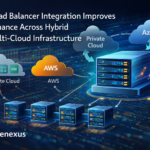



Modern applications face increasing demands for availability, performance, and security. As organizations expand across cloud platforms, hybrid environments, and distributed infrastructures, load balancing has become far more than a traffic management tool.
Today, the load balancer sits at the front of every application request, making it one of the most important components in a cloud security strategy. Beyond distributing traffic, modern load balancing solutions help protect applications, improve resilience, and ensure a consistent user experience.
Why Load Balancing Is Essential for Cloud Security
Every user request reaches your infrastructure through a load balancing layer. This position provides an opportunity to inspect, validate, and manage traffic before it reaches backend applications.
A modern load balancing platform can:
- Distribute traffic across multiple servers
- Improve application availability
- Support SSL/TLS encryption
- Enable traffic inspection
- Assist with authentication workflows
- Integrate with web application security tools
- Support disaster recovery and failover strategies
As cloud environments become more complex, organizations increasingly rely on load balancing solutions to create a consistent security and performance layer across their infrastructure.
Key Security Features to Look For
SSL/TLS Offloading
SSL/TLS offloading helps reduce the processing burden on backend servers while providing visibility into encrypted traffic. This enables security policies and inspection processes to be applied efficiently.
Integrated Web Application Security
Modern application delivery platforms often include integrated security capabilities that help identify and mitigate common web-based threats before they reach application servers.
Authentication and Access Control
Pre-authentication capabilities allow organizations to verify user identities before granting access to sensitive applications and resources.
Traffic Monitoring and Rate Limiting
Traffic analysis and rate limiting features help reduce the impact of suspicious or excessive traffic while maintaining application performance for legitimate users.
Global Traffic Distribution
Organizations operating across multiple locations can benefit from intelligent traffic routing that directs users to the most appropriate available resources.
Benefits of Modern Load Balancing Platforms
Improved Availability
By distributing traffic across multiple servers and locations, load balancing solutions help reduce downtime and support business continuity objectives.
Better Application Performance
Intelligent traffic routing helps optimize resource utilization and improve user experience.
Simplified Security Management
Centralized traffic control enables organizations to apply security policies consistently across multiple environments.
Support for Hybrid and Multi-Cloud Deployments
Modern platforms are designed to operate across cloud, on-premises, and hybrid infrastructures while maintaining consistent functionality.
Choosing the Right Load Balancing Solution
When evaluating a platform, consider the following factors:
- Scalability requirements
- Security capabilities
- Ease of management
- Integration options
- Deployment flexibility
- Monitoring and reporting features
- Support for future growth
Organizations should focus on solutions that can adapt to changing infrastructure requirements while maintaining strong performance and security standards.
How Edgenexus Supports Secure Application Delivery
Edgenexus combines application delivery, load balancing, security, and traffic management capabilities within a unified platform. Organizations can manage traffic, improve availability, and apply security controls from a centralized interface.
The platform supports advanced traffic routing, application health monitoring, SSL offloading, authentication workflows, and global traffic management features that help organizations maintain secure and reliable application delivery across distributed environments.
Frequently Asked Questions
What is a server load balancer?
A server load balancer distributes incoming traffic across multiple servers to improve performance, availability, and reliability.
How does load balancing improve security?
Load balancing platforms can inspect traffic, support authentication processes, integrate with security tools, and help mitigate suspicious activity before it reaches application servers.
Is load balancing important for cloud environments?
Yes. Cloud environments often require traffic to be distributed across multiple servers, regions, or environments. Load balancing helps ensure availability and performance while supporting security objectives.
Can load balancing help with disaster recovery?
Yes. Many modern platforms support failover and traffic redirection capabilities that help maintain service availability during outages.
Final Thoughts
The role of load balancing has evolved significantly. In 2026, organizations need solutions that provide more than simple traffic distribution. Security, availability, performance, and operational simplicity all play an important role in selecting the right platform.
By choosing a load balancing solution that combines traffic management with integrated security capabilities, organizations can build a stronger foundation for modern cloud applications while supporting long-term growth and resilience.