


Modern IT infrastructure is no longer limited to a single environment. Many organizations now run applications across a combination of on-premise systems, virtual machines, cloud platforms, and containerized services. While this approach improves flexibility and scalability, it also introduces new challenges when it comes to managing application traffic efficiently.
To maintain performance and reliability, IT teams increasingly rely on intelligent traffic management at the application level. Layer-7 traffic management plays an important role in helping organizations improve application delivery while working alongside their existing infrastructure.
Why Traffic Management Matters in Modern Infrastructure
As applications become more distributed, the flow of traffic between users, services, and backend systems becomes more complex. Without proper traffic control, organizations may experience uneven server loads, slower application responses, or difficulty managing growing user demand.
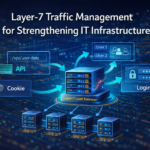
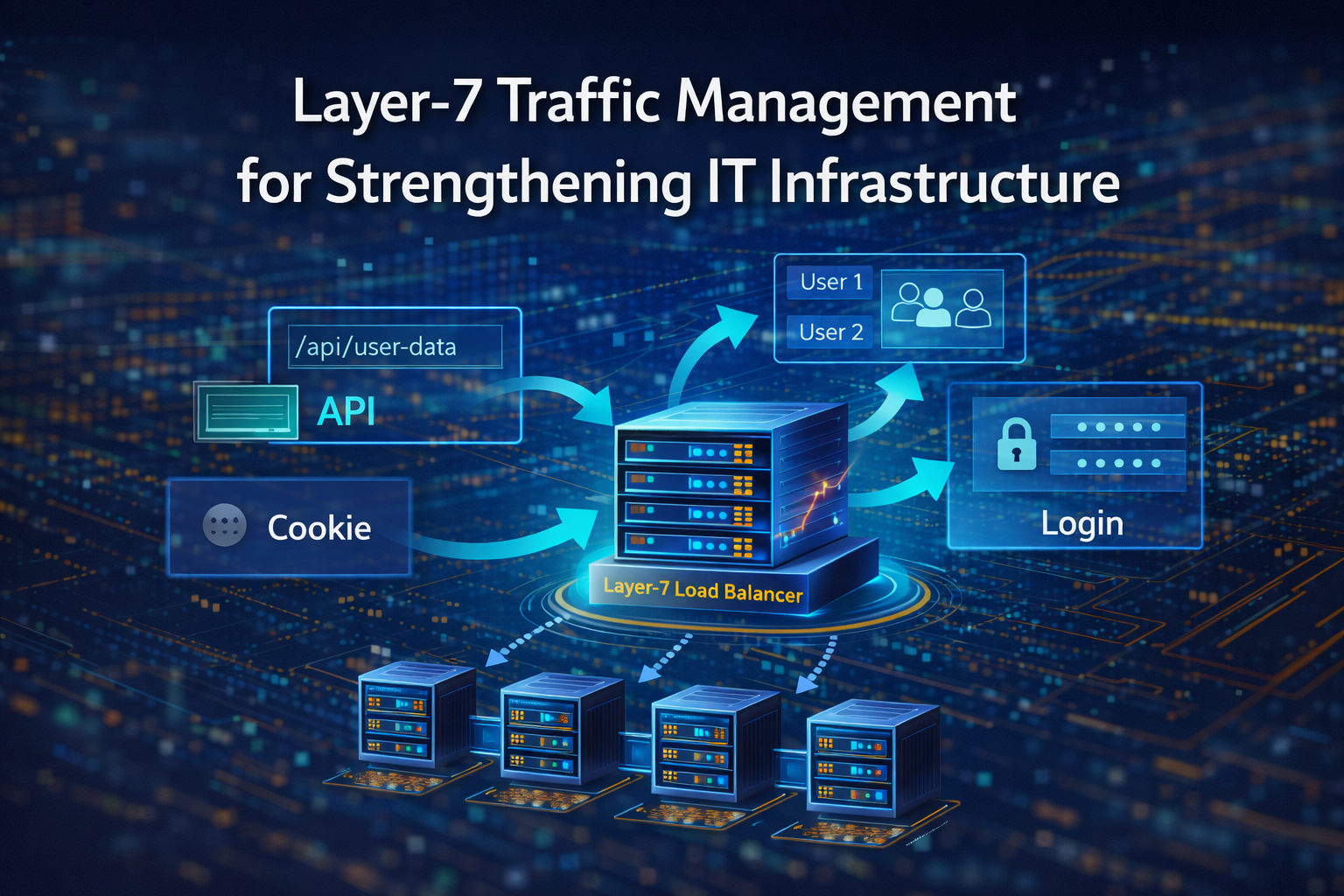
Layer-7 traffic management helps address these challenges by providing deeper visibility into application traffic and enabling more precise routing decisions. Instead of simply distributing traffic across servers, it allows requests to be handled based on application-level data such as URLs, headers, or user sessions.
This allows IT teams to deliver applications more efficiently and maintain consistent user experiences.
Enhancing Existing Infrastructure with Layer-7 Capabilities
Many enterprises already operate established application delivery platforms as part of their networking stack, including solutions such as Citrix NetScaler or F5 BIG-IP.
Rather than replacing these technologies, organizations often look for ways to strengthen their infrastructure by adding additional traffic management capabilities.
Platforms like Edgenexus provide flexible Layer-7 traffic management features that can integrate into existing environments. This approach allows IT teams to improve visibility, automate routing decisions, and optimize application performance without disrupting their current infrastructure.
Supporting Modern Application Architectures
Today’s applications frequently rely on microservices, APIs, and distributed workloads. These architectures require more intelligent traffic handling to ensure that requests are directed to the correct services.
Layer-7 traffic management enables organizations to:
- Route requests to specific application services
- Manage API traffic efficiently
- Support containerized workloads
- Improve traffic visibility across distributed environments
These capabilities help infrastructure teams maintain reliable application delivery even as environments grow more complex.
Improving Application Availability and Performance
Another major benefit of Layer-7 traffic management is improved application resilience. By monitoring application health and routing traffic dynamically, organizations can quickly respond to performance issues or server failures.
This helps IT teams:
- Maintain consistent application uptime
- Reduce the risk of service interruptions
- Handle sudden traffic spikes more effectively
- Deliver a better experience for end users
By integrating intelligent traffic management into their infrastructure, organizations gain greater control over how applications perform under changing conditions.
Conclusion
As IT environments continue to evolve, organizations need flexible ways to manage application traffic across distributed systems. Layer-7 traffic management provides the intelligence and control required to optimize application delivery in modern infrastructure.
By integrating solutions such as Edgenexus into existing environments, organizations can strengthen their infrastructure, improve application performance, and support growing digital demands without replacing their current technologies.
FAQs
1. What is Layer-7 traffic management in IT infrastructure?
Layer-7 traffic management operates at the application layer of the network. It allows traffic to be routed based on application data such as URLs, headers, cookies, or user sessions, helping organizations manage application delivery more efficiently.
2. Why is Layer-7 traffic management important for modern IT environments?
Modern IT environments often run applications across cloud platforms, virtual machines, and on-premise servers. Layer-7 traffic management provides deeper control over traffic routing, helping improve application performance and reliability.
3. How does Layer-7 traffic management improve application performance?
By analyzing application-level data, Layer-7 traffic management can direct user requests to the most appropriate server or service. This helps reduce response times and prevents server overload.
4. Can Layer-7 traffic management integrate with existing infrastructure?
Yes. Many organizations integrate Layer-7 traffic management into their existing networking environments to strengthen traffic control without replacing current systems.
5. How does Edgenexus support Layer-7 traffic management?
Solutions such as Edgenexus provide advanced Layer-7 traffic management capabilities that help organizations improve visibility, automate routing rules, and optimize application delivery within their current infrastructure.
6. How does Layer-7 traffic management help with microservices architectures?
In microservices environments, applications rely on multiple interconnected services. Layer-7 traffic management helps route requests to the correct services, ensuring smooth communication between application components.
7. What role does traffic monitoring play in Layer-7 management?
Traffic monitoring helps identify performance issues, detect unhealthy servers, and optimize traffic routing decisions in real time, improving application reliability.
8. Can Layer-7 traffic management improve application availability?
Yes. By monitoring application health and dynamically routing traffic, Layer-7 traffic management helps maintain application uptime and reduce the risk of service disruptions.
9. How does Layer-7 traffic management support scalable infrastructure?
As organizations add more servers or cloud services, Layer-7 traffic management ensures traffic is distributed efficiently across available resources, supporting scalable and flexible infrastructure growth.
10. What should organizations consider when implementing Layer-7 traffic management?
Organizations should consider factors such as compatibility with existing infrastructure, ease of integration, automation capabilities, traffic visibility, and support for hybrid or cloud environments.